Is your TV ready for the switch?
As of June 12, 2009, full-power television stations nationwide are broadcasting exclusively in a digital format. Digital television, or DTV, is a technology that gives viewers crystal-clear pictures and sound, and more programming choices than ever before.
Federal law requires all full-power television stations to switch from analog to digital broadcasting by June 12, 2009. Some stations will make the switch prior to this date.
Digital television, or DTV, provides crystal-clear pictures, better sound, and more channels.
But if you are one of millions of consumers who receive free TV through rooftop antennas or rabbit ears, you will need to upgrade your television set to continue receiving free reception.
Any television sets that do not have a built-in digital tuner, or are not connected to a cable, satellite, or other pay television service provider, will need a digital converter box to continue receiving free, broadcast television after the transition occurs.
The government is issuing households up to two $40 coupons (90-day expiration period) for converter boxes. To apply for coupons, call 1-888-DTV-2009.

What is Digital Television (DTV)?
Digital television (DTV) is an innovative type of over-the-air broadcasting technology that enables TV stations to provide dramatically clearer pictures, better sound quality, and more programming choices than ever before.
DTV technology allows stations to provide multiple channels of programming, called multicasting, and makes high definition (HD) broadcasting possible for viewers with HD sets. It can also be used to deliver future interactive video and data services such as significantly enhanced closed captioning.
Who will be affected?
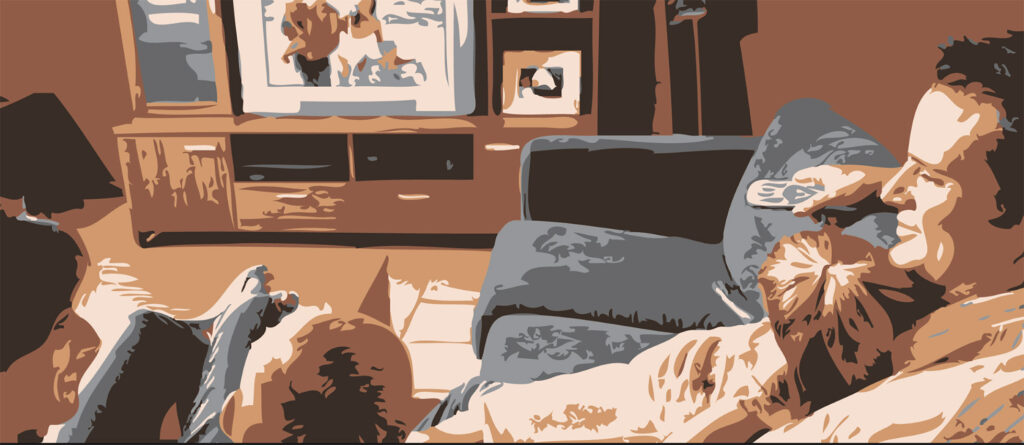
Consumers who watch free television using antennas on television sets that have analog tuners — and who don’t subscribe to cable, satellite, or other pay TV service — will be affected by the transition.
At least 19.6 million households receive free broadcast television signals exclusively in their homes. About 70 million television sets are at risk of losing their television signals after June 12, 2009, if consumers do not take steps to upgrade those sets.
How do I upgrade to DTV?
You can upgrade to DTV by following one of three steps by June 12, 2009:
- DTV converter box: Purchase a DTV converter box that plugs into your existing analog TV set. A converter box will enable you to continue receiving free television reception. The boxes cost between $40 and $70 and can be purchased online, by telephone, or at electronics retailers nationwide. The federal government is providing households up to two $40 coupons toward the purchase of these boxes.
- Digital TV set: Purchase a new TV set that has a built-in digital, or Advanced Television Systems Committee (ATSC), tuner. All TVs with a digital tuner can receive digital signals broadcast by television stations, so you can continue to receive free programming with no monthly fees.
- Pay TV Service: Subscribe to cable, satellite, or other pay TV service provider to continue using your analog TV set, but make sure that provider carries all the local stations you want.
Can I keep my analog TV set?
Yes. Buying a new digital TV set isn’t your only option for upgrading to DTV. If you wish to continue using your analog set, consider one of the following options to make the switch to DTV:
- Purchase a DTV converter box, which will convert the new digital signal into the analog format for analog TV sets.
- Subscribe to cable, satellite, or other pay TV service to receive the new digital signal.
Is HDTV the same thing as DTV?
No. DTV is digital television. HDTV is high definition television. HDTV is the highest quality format of DTV, but it is only one of several formats. Consumers who have high definition TV sets may receive high definition television programming for free using an antenna.
Will I need a special antenna to receive DTV over the air?
If you currently get good reception using an indoor or rooftop antenna to receive over-the-air analog broadcast television signals, the same antenna may also give you good DTV reception. However, as part of the digital transition, some TV stations will move to a different frequency band, so you should make sure your antenna covers both the UHF and VHF frequency bands.